The True Cost of Fast Furniture: Why Conscious Consumers Choose Artisan Home Decor
The fast furniture industry mirrors fast fashion’s environmental devastation whilst quietly reshaping our relationship with home spaces. Understanding the hidden costs behind cheap home accessories reveals why conscious consumption and investment in handcrafted Indonesian home decor represents both ethical necessity and practical wisdom.
The Environmental Toll of Disposable Design
Fast furniture production generates staggering waste. Particleboard pieces laminated with synthetic finishes contain formaldehyde and other toxic chemicals that outgas for years. Much of it is discarded within just a few years, and once discarded, these items rarely decompose, instead accumulating in landfills for decades.
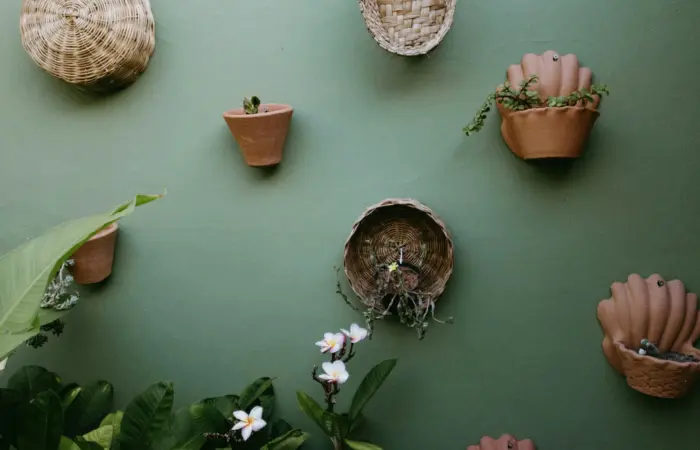
Compare this to sustainable home decor crafted from bamboo and rattan. These natural materials grow rapidly without pesticides, sequester carbon during growth, and fully biodegrade at end of life — the lifecycle differences we quantify in ourbamboo versus plastic comparison. Choosingeco-friendly home decoration from Indonesian artisan families means selecting materials that heal rather than harm our planet.
The Human Cost Behind Cheap Prices
Suspiciously low prices for “handcrafted-style” items signal exploitation somewhere in the supply chain. Factory workers producing fast furniture often endure unsafe conditions, unfair wages, and excessive hours. The true cost includes human dignity sacrificed for profit margins.
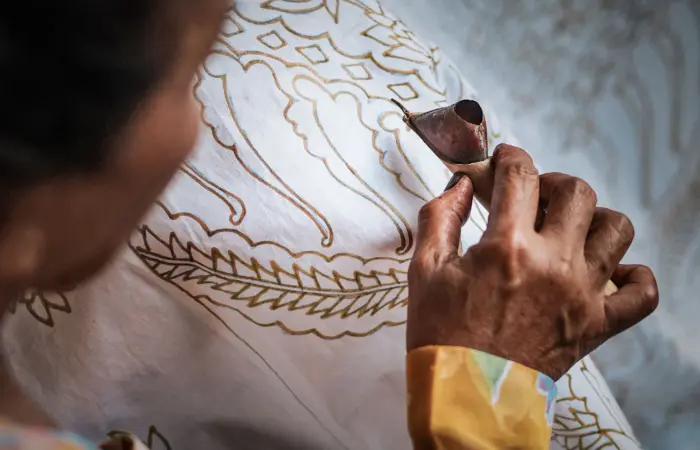
Authentic artisan-made products reflect fair compensation and safe working conditions. When you purchase quality handcrafted home accessories, you’re investing in thecraftspeople who take pride in their work, support their families adequately, and preserve traditional skills through sustainable livelihoods.
The Lifecycle Cost Comparison
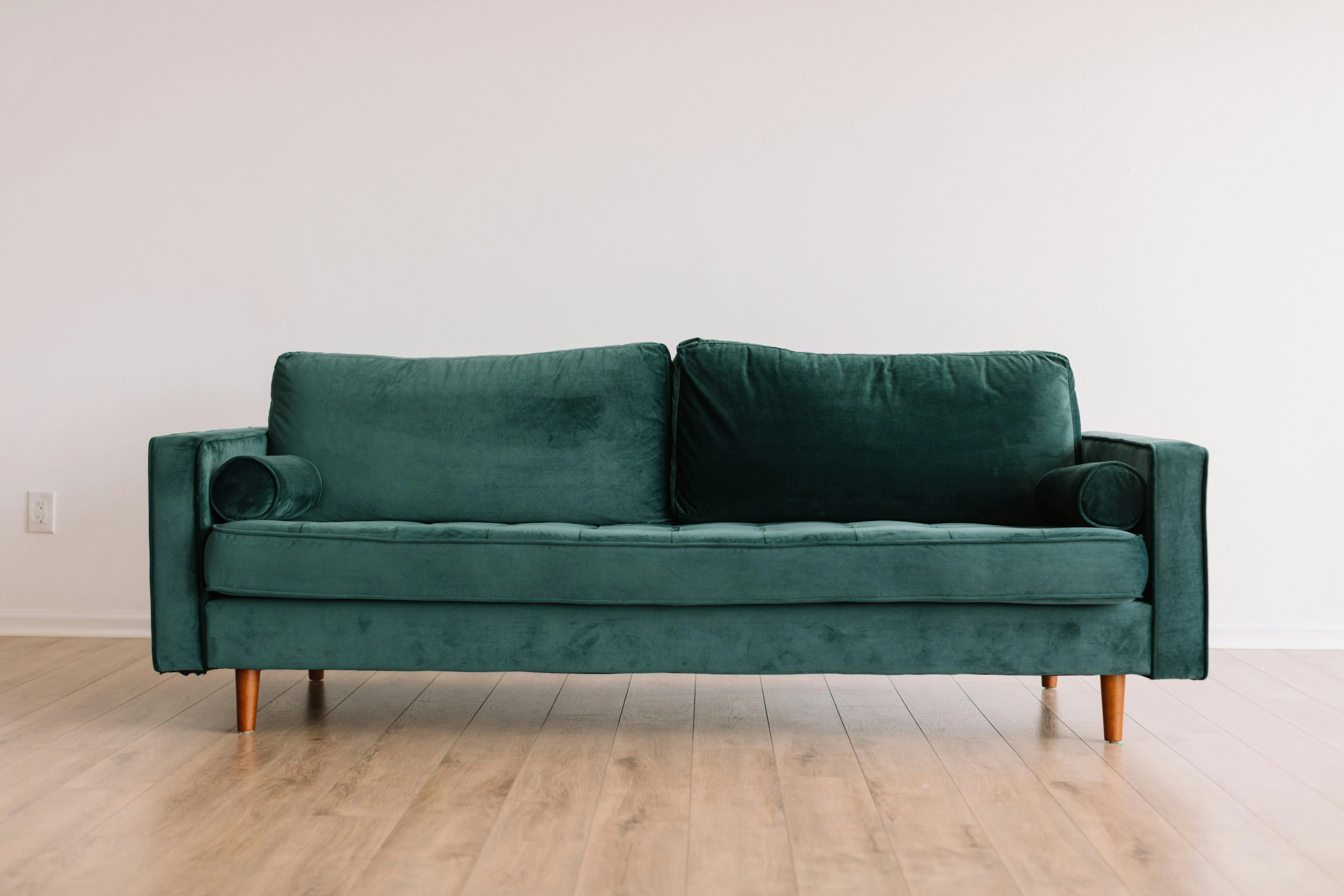
A cheap side table looks like the economical choice at the till. Then it wobbles within months, and disintegrates not long after — and you’re back at the shop, buying another one, and probably not the last. Replacement cycles like this quietly surpass the cost of investment pieces, just spread out over enough time that it’s easy to lose track of how much you’ve actually spent replacing the same thing again and again.
A handcrafted bamboo piece breaks that cycle. You buy it once, it holds up for years, and the question of replacing it simply doesn’t come up — no repeat purchase, no repeat disposal, no repeat trip to sort out something that should already be sorted. That’s the real comparison worth making, laid out in more detail in our piece onwhy handcrafted pieces offer better long-term value: not what something costs once, but how many times you end up paying for it.
Factor in disposal costs, transportation for replacements, and time spent shopping, and fast furniture proves remarkably expensive. Sustainable home design through quality purchases eliminates these recurring expenses whilst delivering superior aesthetics and functionality.
Chemical Exposure in Your Home
Fast furniture introduces volatile organic compounds (VOCs) into living spaces through synthetic adhesives, pressed wood products, and chemical finishes. These toxins contribute to poor indoor air quality, affecting health particularly in children and sensitive individuals.
Natural home decor crafted from bamboo, rattan, and organic textiles contains no harmful chemicals. Indonesian artisan pieces use traditional finishing techniques with natural oils and water-based treatments — the same approach we cover in ournatural material care guide — ensuring your eco-friendly home decoration supports rather than compromises family wellbeing.
The Landfill Crisis
According to the US Environmental Protection Agency, furniture and furnishings made up around 4.1% of total municipal solid waste generated in 2018 (roughly 12.1 million tons), and of that, over 80% ends up in landfill rather than being recycled or composted. These pieces resist decomposition whilst leaching chemicals into soil and groundwater. The environmental impact extends far beyond initial purchase.
Handcrafted Indonesian home accessories built to last generations dramatically reduce waste. When pieces eventually reach end of life, natural materials biodegrade harmlessly — the samezero-waste principle at the heart of conscious home organisation. This approach to conscious consumption breaks the extraction-consumption-disposal cycle devastating our planet.
Quality of Life Implications
Living amongst disposable objects diminishes our sense of home. Fast furniture lacks the character, durability, and meaning that create genuine sanctuary. Constant replacement prevents developing the patina and attachment that make spaces truly personal — the kind of tonal depth we explore in our guide tocolour theory with natural materials.
Artisan crafts acquire character over time. A bamboo home accessory gains richness through use, developing history and story. These pieces become companions rather than commodities, enriching daily life in ways mass production cannot replicate.
Supporting Sustainable Economies
Fast furniture funnels money into exploitative systems prioritising profit over people and planet. Choosing ethical home design redirects your spending towards sustainable economies supporting traditional skills, fair wages, and environmental stewardship.
Indonesian artisan families buildingsustainable home textiles and natural home accessories participate in economic models that value craftsmanship, cultural preservation, and ecological responsibility. Your conscious consumption vote shapes which economic systems thrive.
Breaking Free from the Cycle
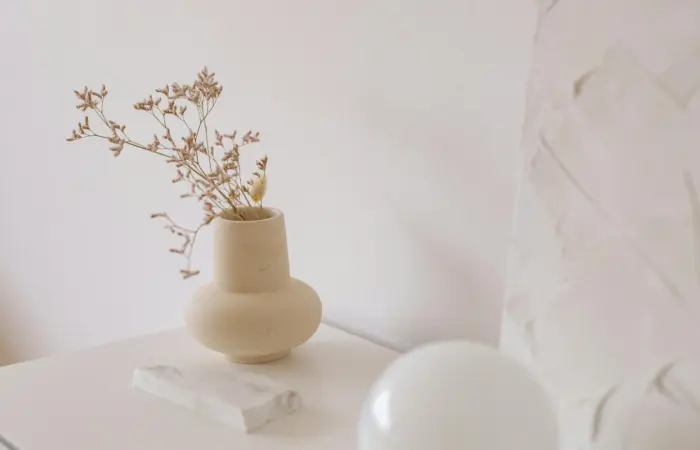
Escaping fast furniture requires mindset shifts from quantity to quality, from trendy to timeless, from cheap to valuable. Start small—replace one fast furniture item with a handcrafted Indonesian piece, in the same spirit asblending Scandinavian minimalism with Indonesian warmth. Experience the difference in quality, meaning, and satisfaction.
Each authentic artisan-made product you choose weakens fast furniture’s grip on our homes and planet whilst strengthening sustainable alternatives. This is conscious consumption in action—purchasing decisions that reflect values and create the world we want.
fast furniture alternatives, conscious consumption, artisan home decor, sustainable home design, handcrafted Indonesian pieces, ethical home design, eco-friendly home decoration, investment pieces, bamboo home accessories, natural home decor, quality over quantity, environmental impact furniture