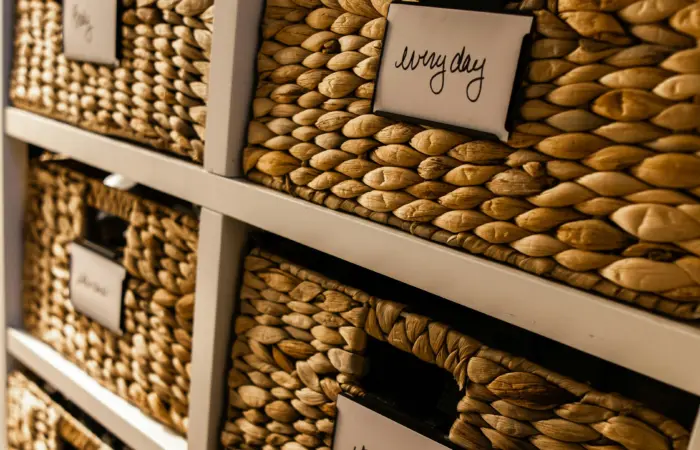
Bamboo vs. Plastic: The Environmental Impact Comparison for Home Storage Solutions
Choosing between bamboo and plastic storage fundamentally shapes your home’s environmental footprint. Understanding the complete lifecycle impacts—from raw material extraction through disposal—reveals why handcrafted Indonesian bamboo home accessories represent superior choices for conscious consumers committed to sustainable home design.
Production Impact Comparison
Plastic storage production begins with petroleum extraction, an inherently destructive process releasing greenhouse gases whilst depleting finite resources. Refining crude oil into plastic polymers requires intensive energy, typically from fossil fuel sources, compounding environmental damage. Manufacturing plastic containers generates toxic byproducts contaminating air and water systems near production facilities.
Bamboo home decor production starts with sustainable harvesting from fast-growing grasses, most species reaching maturity within 3-5 years (tropical clumping varieties common across Indonesia can take closer to 5-7 years). Indonesian artisan families selectively cut mature culms, leaving root systems intact to regenerate continuously. Processing requires minimal energy—primarily human labour using traditional hand tools. No toxic chemicals enter ecosystems during bamboo transformation into beautiful, functional storage solutions.
Carbon Footprint Analysis
Lifecycle carbon accounting dramatically favours natural materials. According to EU emissions data (European Topic Centre on Waste and Materials in a Green Economy, 2021), producing plastic generates on average around 2.9 kg CO2-equivalent per kilogram, with incineration at end of life adding a further 2.7 kg CO2-eq/kg — a combined lifecycle figure of roughly 5.6–6.6 kg CO2-eq per kilogram, depending on the specific polymer. We break down what drives these differences by material inthe hidden carbon cost of home decor materials. Transportation, typically from Asian factories to European markets, adds substantial emissions on top of production. The product’s carbon debt begins before reaching your home.
Bamboo absorbs CO2 during growth, making young bamboo forests carbon sinks rather than sources. Processing emissions remain minimal due to hand-crafting techniques. Whilst international shipping adds carbon costs, the overall footprint remains significantly lower than plastic alternatives. Many ethical brands offset shipping emissions, achieving carbon-neutral delivery of sustainable home accessories.
End-of-Life Environmental Fate
Plastic storage’s environmental impact intensifies at disposal. Most plastic baskets aren’t recyclable due to mixed materials or contamination. According to NOAA’s Marine Debris Program, plastics take anywhere from 20 to 500 years to decompose depending on type, leaching chemicals into soil and groundwater as they slowly fragment. Incineration releases toxic fumes including dioxins and heavy metals.
Bamboo home accessories biodegrade completely within 1-3 years when composted, depending on thickness. Natural decomposition returns nutrients to soil, closing the loop sustainably. Even in landfills, bamboo breaks down far faster than plastic whilst releasing no toxic substances. This complete biodegradability represents truezero-waste home organisation.
Microplastic Pollution Concerns
Recent research reveals plastic storage sheds microplastics during normal use—tiny particles released through wear, washing, and UV exposure. These microplastics contaminate home environments, food storage, and eventually water systems. Health implications remain under study, but avoiding unnecessary plastic exposure follows precautionary principles.
Natural bamboo storage generates no microplastics. Surface wear produces biodegradable wood fibres posing no environmental or health threats. For food storage particularly,eco-friendly home decoration using natural materials eliminates microplastic contamination risks.
Manufacturing Labour Conditions
Plastic storage manufacturing often occurs in factories with questionable labour standards—low wages, poor safety conditions, excessive hours. The race to produce cheaply incentivises exploitation, hiding human costs behind low price tags.
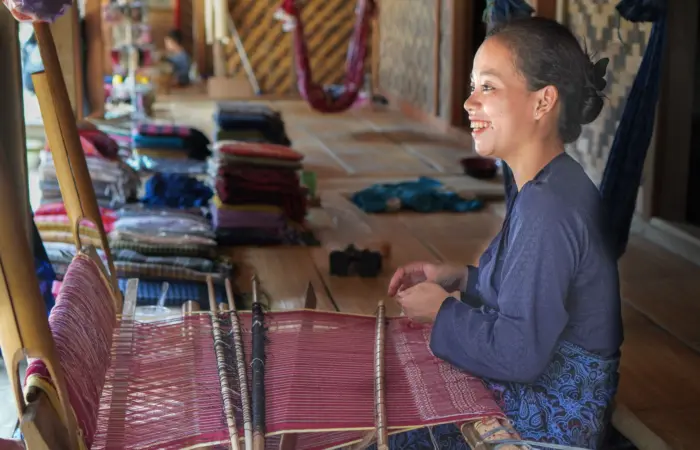
Handcrafted Indonesian home decor supports fair wages, safe working conditions, and reasonable hours. Direct partnerships withartisan families ensure ethical treatment. Your purchase supports dignified work rather than exploitative systems, making conscious consumption meaningful beyond environmental considerations.
Aesthetic and Functional Differences
Plastic storage offers uniform appearance that some find appealing initially. However, this uniformity lacks character, and plastic’s deterioration proves aesthetically unpleasant—yellowing, cracking, losing structural integrity.
Bamboo home accessories bring organic warmth and natural variation that enhances interiors. Each piece displays unique grain patterns and subtle colour differences — the kind of variation we explore in our guide tocolour theory with natural materials — making artisan-made storage decorative elements rather than items to hide. Functional beauty elevates everyday organisation into intentional design.
Making the Sustainable Switch
Transitioning from plastic to bamboo storage need not occur overnight. Replace plastic pieces as they fail with quality natural alternatives. This gradual approach spreads costs whilst immediately reducing environmental impact. Each bamboo basket chosen represents permanent improvement—one less plastic item requiring future replacement, and one step further fromfast furniture cycles.
Prioritise high-visibility areas first—kitchens, living rooms, entryways—where beautiful sustainable home textiles and bamboo pieces enhance aesthetics whilst serving practical purposes. Less-visible storage can transition later, making the change financially manageable. Ournatural material care guide covers how to keep each piece performing well for the long haul.