How We Work with Artisan Communities: Workshop to Warehouse
Wholesale buyers rarely see what happens between an order confirmation and a container arriving at their warehouse. This piece walks through that middle stretch — how an order moves from an artisan community, through production and quality checks, to the port and onward to a buyer’s door — so you know what’s actually happening while you wait.
Quick Answer
An order starts with a briefing to the relevant artisan group — material specification, design, quantities, and delivery timing.
Production happens in batches, often across several workshops within the same village or region for larger orders.
Quality checks happen at multiple points, not just at the very end, to catch issues before a whole batch is affected.
Finished goods are consolidated, packed for export, and moved to port for loading — the stage where documentation and freight booking matter most.
Step One: Briefing the Artisan Group
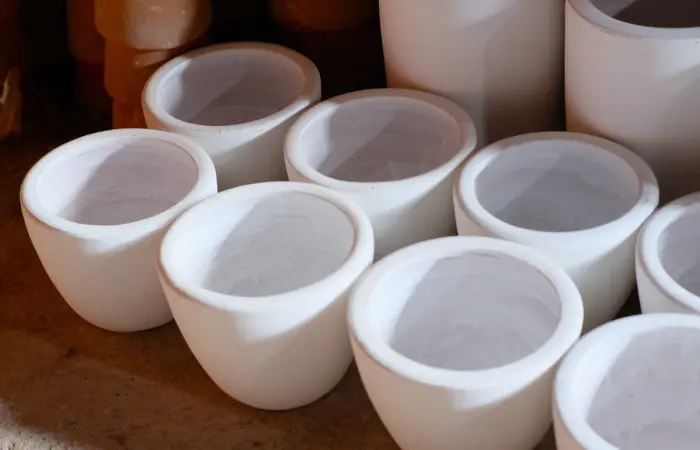
Once an order is confirmed, the first step is briefing the relevant artisan group or workshop with the specific design, quantities, and any customisation the buyer has requested. For categories like terracotta, this means confirming shapes, sizes, and finishes with the workshop responsible for that particular style. For woven textiles, it means confirming patterns and colourways with the weavers, who often need lead time to source or dye specific yarn colours before a loom run can begin.
This stage is where a direct supplier relationship pays off: a workshop that has produced for a buyer before typically needs less back-and-forth to get a brief right the first time, since they already understand quality expectations and finish preferences.
Step Two: Production in Batches
Handcrafted production doesn’t scale the way a factory production line does. A single artisan village might be capable of producing a defined volume per month, which is one reason category-level MOQs exist and larger orders are sometimes split across multiple workshops within the same region to hit a delivery timeline. For bamboo and rattan pieces, this often means work is distributed across several weaving households working from the same raw material batch, coordinated by a lead workshop.
Production lead time — typically 4–6 weeks for most categories — reflects this batch-based reality: raw material preparation, the actual making process, drying or curing time (particularly relevant for terracotta), and finishing all take real calendar time that can’t be meaningfully compressed without sacrificing quality.
Step Three: Quality Checks Along the Way
Rather than a single inspection at the very end, quality checks ideally happen at several points: a mid-production check to catch issues while there’s still time to correct them, and a final check before goods leave the workshop. This staged approach is far more effective than a single pre-shipment inspection, since catching a finish or sizing issue halfway through a run means the remainder of the batch can be corrected, rather than discovering a systemic problem only once everything is already packed.
Buyers working with a new supplier should feel comfortable asking for photos at this mid-production stage — a supplier confident in their process will generally be happy to share them.
Step Four: Consolidation and Packing
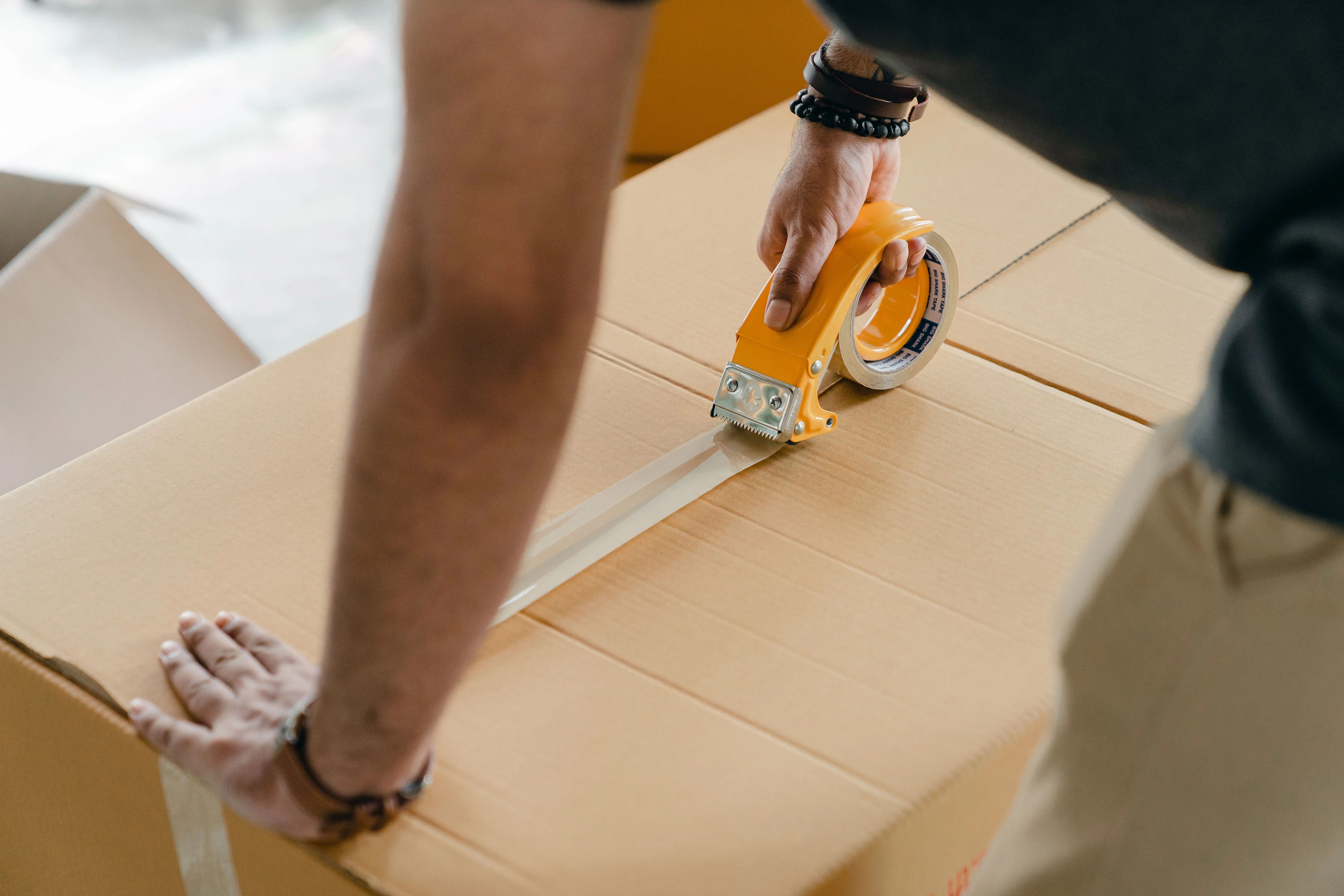
Once individual workshop outputs are complete, goods are consolidated — often at a central warehouse — for final quality sign-off, packing, and labelling. This is also the stage where mixed-category orders (terracotta alongside textiles, for instance) come together into a single shipment. Packing needs to account for the very different handling requirements of each category: fragile ceramics need protective packaging that adds weight and volume, while textiles pack efficiently but need protection from moisture during the ocean crossing.
Step Five: Export Documentation and Port Handling
The final domestic stage involves export documentation — commercial invoice, packing list, and certificate of origin among the standard paperwork — and booking space with a freight forwarder for the vessel departure. This is where FOB terms come into play: the supplier’s responsibility ends once goods are loaded onto the vessel at the port of origin, typically Jakarta, after which the buyer’s own freight arrangements take over.
Why This Visibility Matters for Buyers
Understanding this chain end-to-end helps buyers ask better questions when something is delayed or unclear — rather than a generic “where’s my order,” a buyer who understands the process can ask specifically whether a delay is happening at the production, consolidation, or shipping stage, which usually gets a faster, more useful answer.
Bali Bhumi manages this entire process directly — from briefing artisan communities across Java and East Nusa Tenggara through to FOB Jakarta shipment — for wholesale buyers around the world.Get in touch to learn more, or browse the catalogue.