Eco-Friendly Home Decoration: 7 Ways Indonesian Artisan Pieces Reduce Your Carbon Footprint
Creating a sustainable home doesn’t mean compromising on style. Indonesian artisan pieces offer a beautiful solution for conscious consumers seeking to reduce their environmental impact whilst building a thoughtfully curated living space.
1. Locally Sourced Natural Materials
Handcrafted Indonesian home decor utilises bamboo, rattan, and organiHandcrafted Indonesian home decor utilisesbamboo, rattan, and organic cotton grown within local communities. These renewable resources require minimal processing and transportation, significantly reducing carbon emissions compared to mass-produced furniture. Bamboo, in particular, is recognised as an especially fast and efficient carbon sink — research from the International Bamboo and Rattan Organisation shows it grows and sequesters carbon considerably faster than hardwood trees, whilst requiring no pesticides. cotton grown within local communities. These renewable resources require minimal processing and transportation, significantly reducing carbon emissions compared to mass-produced furniture. Bamboo, in particular, absorbs more CO2 than hardwood trees whilst growing faster and requiring no pesticides.
2. Zero-Waste Production Methods
Traditional Indonesian craftspeople employ centuries-old techniques that generate virtually no waste. Every offcut of bamboo becomes a smaller piece, and natural fibres are woven entirely by hand. This artisan approach to home accessories eliminates the industrial waste associated with factory production — the same philosophy behindzero-waste home organisation more broadly.
3. No Harmful Chemical Processing
Unlike fast furniture treated with synthetic finishes and adhesives, sustainable home decor from Indonesian artisans uses natural oils, water-based stains, and traditional preservation methods. Your eco-friendly home decoration remains free from volatile organic compounds (VOCs) that harm both indoor air quality and the environment. Ournatural material care guide covers how these traditional finishes hold up over time.
4. Longevity Over Disposability
Investment pieces crafted by skilled artisans last decades, not seasons. When you choose quality handcrafted home decor, you’re rejecting thethrowaway culture of fast furniture. One ethically made rattan basket can replace dozens of cheaply produced alternatives over its lifetime, dramatically reducing your carbon footprint — the core argument behindwhy handcrafted pieces offer better long-term value.
5. Minimal Packaging and Shipping Impact
Artisan-made products require less protective packaging than fragile mass-produced items. Natural materials are inherently durable, and direct partnerships with craftspeople eliminate multiple shipping stages common in conventional supply chains — one of several factors we unpack inthe hidden carbon cost of home decor materials.
6. Supporting Carbon-Sequestering Practices
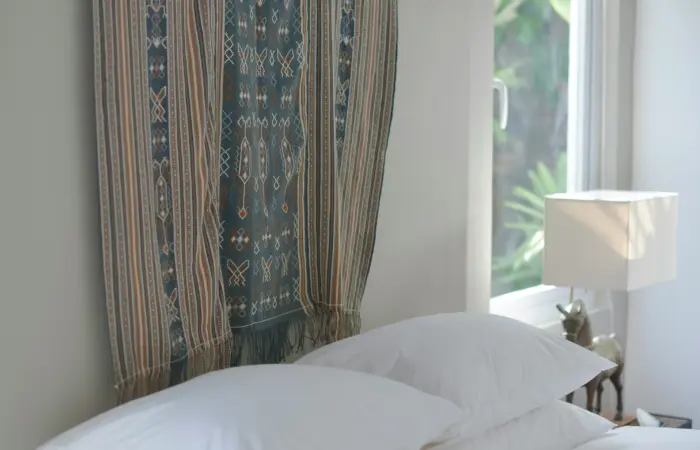
Many Indonesian artisan communities practice sustainable forestry and bamboo cultivation that actively removes CO2 from the atmosphere. By purchasing theirhandwoven textiles and bamboo home accessories, you’re supporting land management practices that combat climate change — a lifecycle advantage laid out in more detail in ourbamboo versus plastic comparison.
7. No Planned Obsolescence
Sustainable home design means creating spaces that endure. Indonesian artisan pieces feature timeless aesthetics that transcend trends — whether your interior leans towardwarm, natural colour palettes or a moreScandinavian-meets-tropical look — ensuring your natural home decor remains relevant for years. This conscious consumption approach is the antithesis of the disposable design culture driving environmental degradation.
Making the sustainable choice
Transforming your space with eco-friendly home decoration isn’t just about aesthetics—it’s about making purchasing decisions that reflect your values. Indonesian handcrafted home decor, made byartisan communities across Indonesia, offers European consumers a genuine path to reducing their carbon footprint whilst creating warm, characterful interiors.
eco-friendly home decoration, sustainable home decor, carbon footprint reduction, Indonesian artisan pieces, handcrafted home decor, natural materials, ethical home design, artisan crafts, bamboo home accessories, conscious consumption