A Buyer's Guide to Indonesian Handicrafts: Materials & Regions
Indonesia’s handicraft output spans a wide range of materials and regional traditions, and understanding the differences helps wholesale buyers evaluate quality and set realistic expectations for each category. Here’s a practical overview of the main materials, where they come from, and what to look for.
Quick Answer
Terracotta and ceramics come primarily from long-established pottery traditions in Central Java.
Bamboo and rattan weaving is concentrated in Java and parts of Bali, producing baskets, trays, and decorative pieces.
Hand-loomed ikat and other woven textiles come primarily from East Nusa Tenggara, where weaving is passed down within families.
Quality indicators differ by material — evenness of glaze and firing for ceramics, tightness and consistency of weave for bamboo and rattan, and pattern precision and dye quality for textiles.
Terracotta and Ceramics
Java’s terracotta and ceramic tradition draws on generations of pottery-making knowledge, with kiln villages producing everything from decorative planters to tableware. Quality in this category comes down to consistency of the clay body, evenness of glaze application, and how well the firing process has been controlled — uneven firing can lead to cracking or inconsistent colour across a batch. Some visual variation is expected and often desirable in hand-thrown pieces, but structural issues like hairline cracks or uneven bases are worth checking for in samples before committing to a full order.
Bamboo
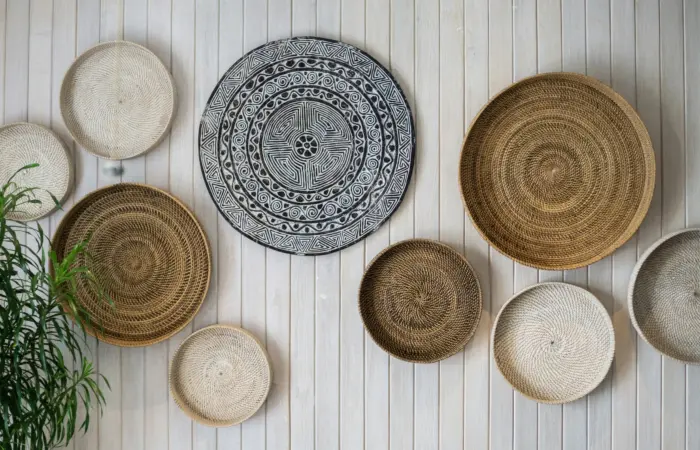
Bamboo is a fast-growing, renewable material well suited to baskets, trays, lampshades, and decorative accessories. When evaluating bamboo pieces, look for tight, even weaving without visible gaps, smooth-finished edges that won’t splinter or catch on fabric, and consistent colour across a batch, since bamboo can vary depending on harvest and curing method. Bamboo pieces intended for humid or outdoor-adjacent use should also have appropriate treatment to resist mould, which is worth asking a supplier about directly.
Rattan
Rattan is prized for its flexibility and strength, making it suitable for both structural pieces (furniture frames) and decorative weaving (baskets, wall hangings, light fixtures). Quality indicators include a smooth, splinter-free finish, consistent thickness in the weave, and secure joins where rattan is bent or woven into structural shapes. Like bamboo, rattan benefits from proper curing and treatment, and it’s reasonable to ask a supplier how their rattan is prepared before weaving.
Hand-Loomed Ikat and Woven Textiles
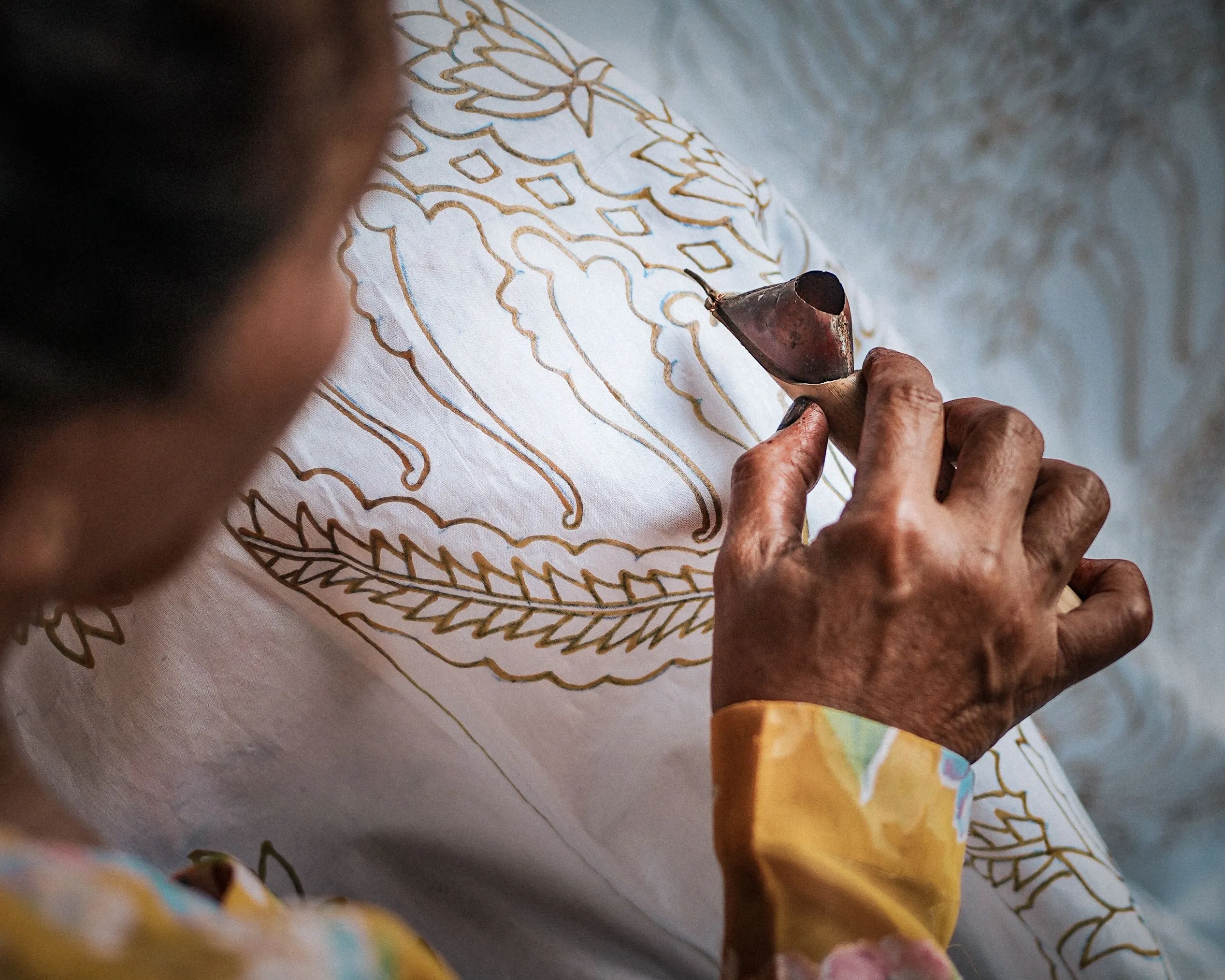
East Nusa Tenggara is home to some of Indonesia’s most distinctive hand-loomed textile traditions, including ikat, where yarn is dyed in patterns before weaving to create the finished design. This is a slow, skilled process, often passed down within families rather than taught in a formal industrial setting, and genuine hand-loomed pieces typically show small, natural irregularities in pattern alignment that distinguish them from machine-printed imitations. When evaluating textiles, look at pattern precision relative to the weaving technique used, colour consistency and depth (natural dyes in particular can vary subtly between batches, which is normal), and the overall hand-feel and weight of the fabric, which should feel substantial rather than thin or loosely woven. Our comparison of handwoven versus machine-made textiles covers this distinction in more detail.
Why Region Matters for Buyers
Understanding which region a material and technique come from isn’t just background information — it affects what’s realistic to expect from a supplier. A supplier claiming to offer hand-loomed ikat, fine terracotta, and bamboo weaving all from a single named workshop is worth questioning, since these are typically distinct regional specialisms produced by different artisan communities. A transparent, direct supplier will usually be able to speak specifically to which region and workshop each category in their range comes from — a good sign of a genuine, well-managed supply chain rather than an unverified reseller network. Our deeper look at where these materials actually come from covers the regional geography in more detail.
Building a Balanced Range
For wholesale buyers building a mixed-category order, it’s worth thinking about how these materials complement each other visually and functionally — terracotta and ceramics for grounded, earthy anchor pieces; bamboo and rattan for texture and warmth in storage or accent pieces; woven textiles for colour, pattern, and an easy seasonal refresh point for customers. A well-balanced first order across these categories, rather than concentrating entirely on one material, tends to perform better for retailers testing a new range.
Bali Bhumi sources terracotta, bamboo, rattan, and hand-loomed textiles direct from artisan groups across Java, Bali, and East Nusa Tenggara.Get in touch to discuss your range, or browse the catalogue.