Terracotta in Interior Design: Styles, Pairings & What's Selling
Terracotta has moved well beyond its traditional role as an outdoor plant pot material and is now a core part of indoor interior styling. For wholesale buyers, understanding how it’s being used helps decide which shapes, sizes, and finishes are worth prioritising in a range.
Quick Answer
Terracotta’s warm, earthy tone fits directly into the broader shift toward natural, warm-toned interiors and away from cool greys.
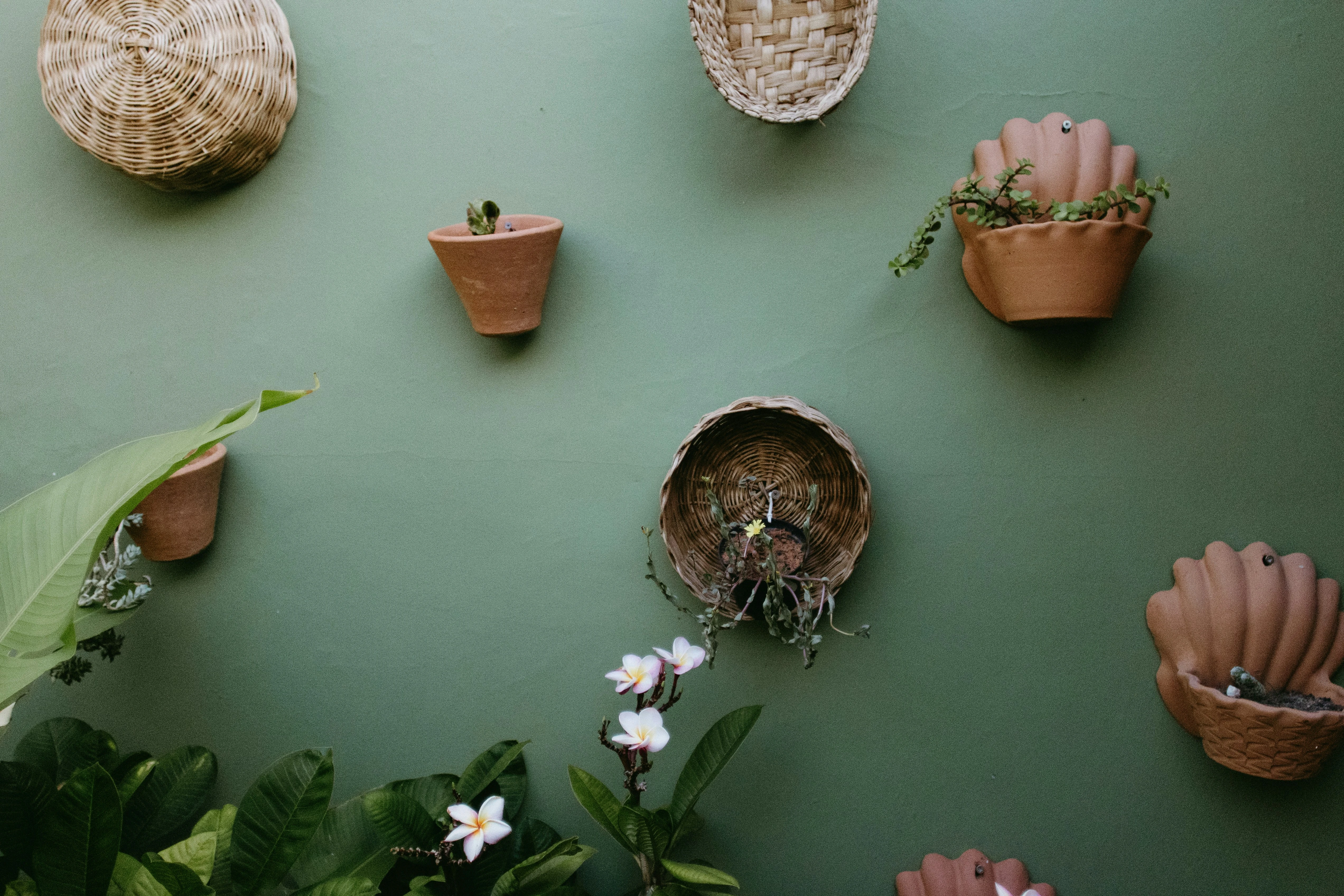
It pairs particularly well with woven textures (rattan, bamboo, jute) and muted, natural textile tones.
Popular current formats include sculptural planters, decorative vases, and tactile tableware, more than purely functional plant pots.
Unglazed and lightly glazed finishes are outperforming heavily glazed, glossy terracotta in current interior styling.
Why Terracotta Fits the Current Design Moment
Terracotta’s colour comes directly from the iron-rich clay and the firing process, giving it a naturally warm, earthy tone that doesn’t rely on an applied dye or paint finish. This fits neatly into the broader shift toward warm neutrals and away from the cooler greys that dominated interior styling for much of the past decade. Because the colour is intrinsic to the material rather than a surface treatment, terracotta also ages and weathers in a way that reads as authentic rather than worn out, which suits the current appetite for natural imperfection over uniform, factory-smooth finishes.
Popular Terracotta Formats Right Now
Sculptural planters — organic, hand-thrown shapes rather than uniform, symmetrical pots — are performing well as standalone decorative objects, not just plant containers. Decorative vases in varied heights and silhouettes work well as grouped display pieces, giving retailers an easy way to merchandise multiple SKUs together for a stronger visual impact. Tactile tableware — bowls, plates, and serving pieces with visible texture or an irregular glaze — is also gaining ground, particularly for buyers serving HORECA clients looking for pieces with a handmade, artisanal character rather than uniform commercial tableware.
Material Pairings That Work
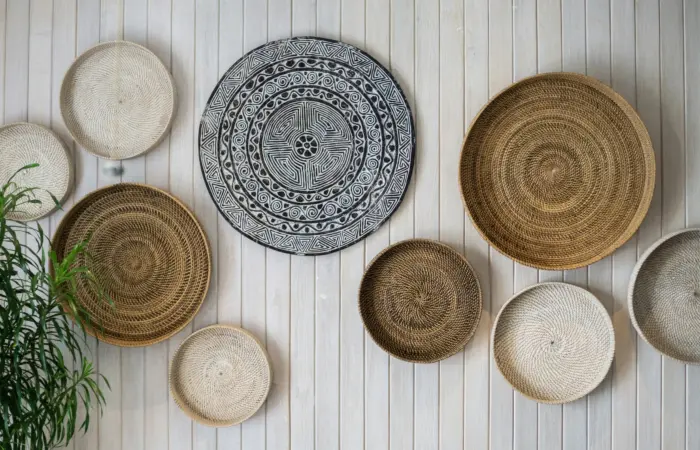
Terracotta pairs naturally with other warm, textured materials rather than sitting alongside cool, smooth surfaces. Bamboo and rattan pieces — baskets, trays, woven accents — complement terracotta’s earthiness without competing with it visually, since both draw on natural, unprocessed material tones. Muted, natural-toned woven textiles — particularly in sand, ochre, and clay colourways — extend the same palette into soft furnishings, creating a cohesive styling story across a room rather than treating terracotta as an isolated accent. This combination is a useful one for retailers to merchandise together, since it demonstrates a full room styling concept rather than a single product.
Unglazed and Lightly Glazed Finishes Are Winning
Heavily glazed, glossy terracotta finishes — while durable and easy to clean — are currently being outsold by unglazed or lightly glazed pieces that show more of the natural clay texture and tone. This preference ties back to the broader demand for visible craft and texture discussed in our piece on 2026 home decor trends. For buyers, this means it’s worth stocking a range weighted toward these more textural finishes rather than defaulting to glossier, more traditional glazed options, though a glazed option is still worth including for customers prioritising easier cleaning, particularly for tableware.
What to Stock for a Balanced Range
A well-rounded terracotta range for a retail or design-focused buyer typically includes a few sculptural statement planters in varied sizes to anchor a display, a set of smaller decorative vases that can be grouped or sold individually, and a small tableware selection if serving HORECA or lifestyle retail customers. Buying across this mix, rather than concentrating on a single shape or size, gives retailers more flexibility in how they merchandise the category and reduces reliance on any single design performing well.
Sourcing Considerations
Since terracotta production is batched by kiln firing, category-level MOQs (typically around 500 mixed pieces) are standard, which works in a buyer’s favour when building a varied range across shapes and finishes rather than committing to one design. Our buyer’s guide to Indonesian handicrafts covers what to look for in terracotta quality more broadly, including firing consistency and structural integrity.
Bali Bhumi sources terracotta direct from established pottery traditions in Java.Get in touch to discuss your range, or browse our terracotta catalogue.