Natural Materials Sourcing in Indonesia: Where Teak, Bamboo, Terracotta & Rattan Actually Come From
Product listings often simply say “Indonesian handmade,” without specifying where a material actually comes from. Indonesia is a vast archipelago of thousands of islands, and its craft output reflects that scale — distinct regions, each with generations of specialised skill in a particular material. For wholesale buyers, understanding this regional geography is a useful way to evaluate whether a supplier’s claims hold up, and to speak more specifically and richly about sourcing to your own customers.
Quick Answer
Teak is grown and worked primarily in Central Java, historically the centre of Indonesia’s teak furniture and woodworking industry.
Terracotta and ceramics come from long-established pottery-making regions, also concentrated in Central Java.
Rattan is largely harvested in Kalimantan Tengah (Central Kalimantan) and woven into finished pieces in Java, particularly Cirebon and Jepara.
Bamboo weaving is strongly associated with West Java, drawing on both material availability and generations of local weaving skill.
Hand-loomed textiles, including ikat, are most associated with East Nusa Tenggara, though genuine weaving traditions are also found in West and South Sumatra and in Bali.
Each of these regions represents a distinct, longstanding craft tradition — Indonesia’s handicraft output is best understood as a patchwork of specialisms rather than a single national style.
Teak: Central Java's Woodworking Tradition
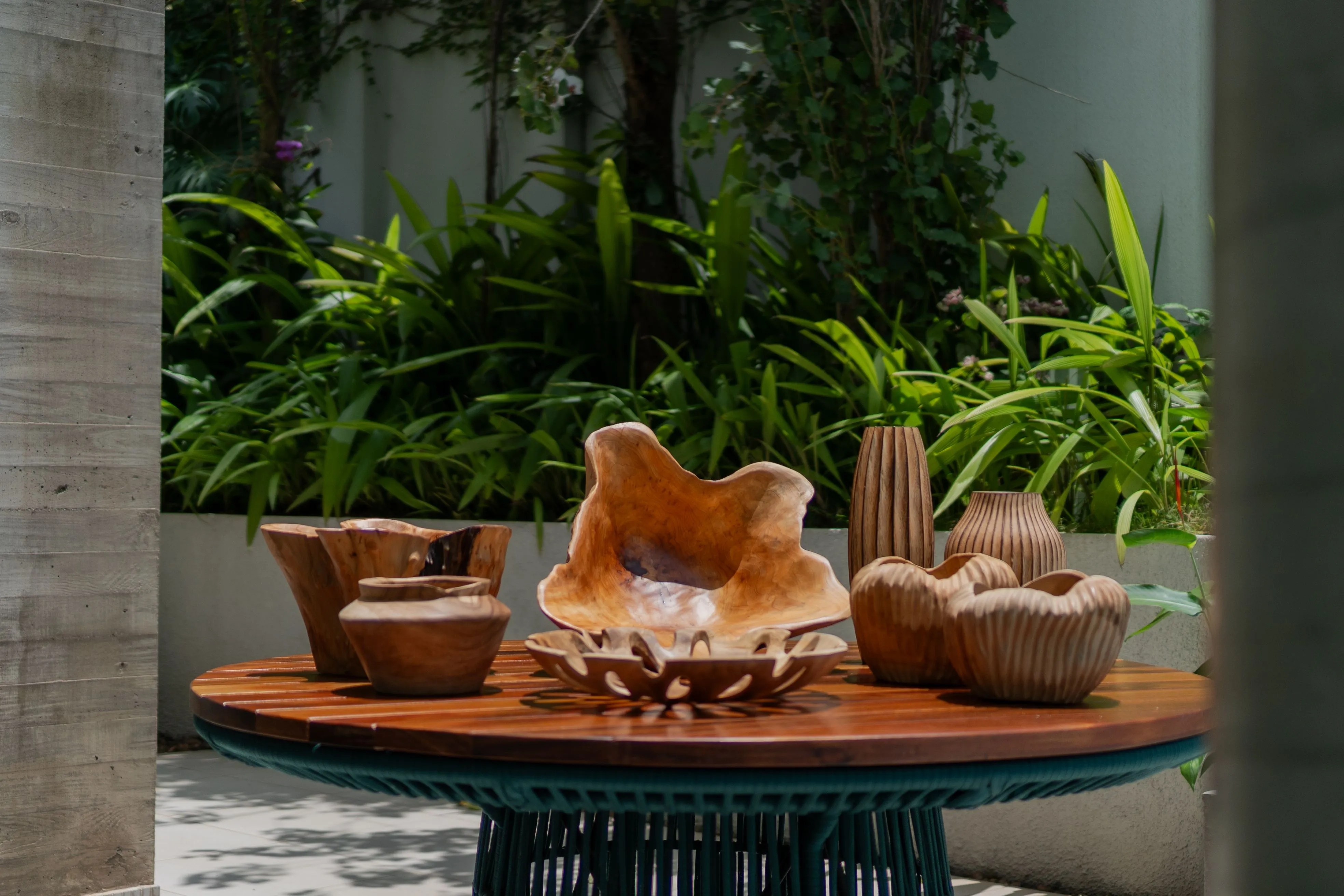
Teak has long been associated with Central Java, particularly around Jepara, which developed into a centre for teak furniture and woodworking over generations, drawing on both local teak plantations and accumulated carving and joinery skill. While Bali Bhumi’s own range focuses on terracotta, textiles, and woven bamboo and rattan rather than teak furniture, understanding this regional specialism is useful background for buyers sourcing complementary furniture pieces alongside a decor range, since a supplier’s ability to speak specifically to teak’s Central Java origin is a reasonable indicator of genuine sourcing knowledge.
Terracotta and Ceramics: Java's Pottery Villages
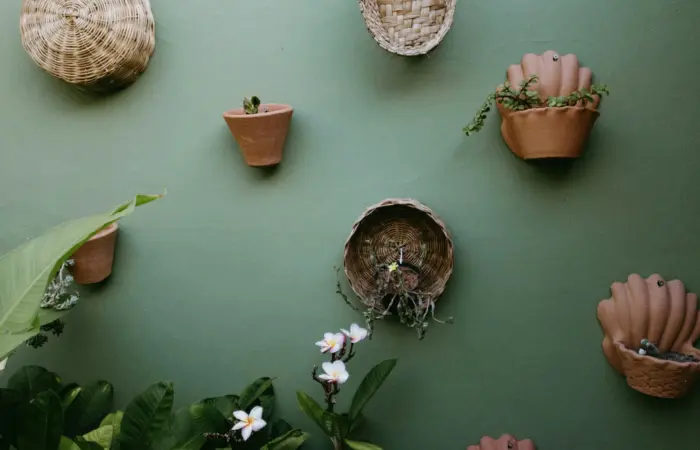
Central Java is also home to established terracotta and ceramic production, with pottery villages that have worked with local clay deposits for generations, developing distinct regional styles and techniques over that time. Terracotta pieces sold under a general “Indonesian handmade” label most often originate from these Java-based workshops. This is worth knowing since it means the true skill and tradition behind a terracotta piece sits with the Javanese pottery community that made it, which is useful context for buyers wanting to communicate authentic provenance to their own customers.
Rattan: Cirebon, Jepara & Kalimantan Tengah
Rattan production splits across two distinct stages, in two different places. The raw material is mostly harvested in Kalimantan Tengah (Central Kalimantan), where forest conditions support extensive rattan growth. That raw rattan then travels to Java to be processed, cured, and worked into finished pieces — Cirebon (West Java) and Jepara (Central Java) are Indonesia’s best-established centres for rattan weaving and furniture-making, home to generations of workshops specialising in bending, joining, and weaving rattan into both furniture frames and decorative pieces like baskets and light fixtures.
Bamboo: West Java's Weaving Communities
Bamboo weaving is strongly associated with West Java, where the material grows in abundance and generations of weaving households have built up deep, specialised skill in working it. Workshops across the region produce everything from structural trays and lampshades to woven basketry, with techniques often passed down within families or small weaving communities rather than taught formally. This concentration of skill is part of why West Java remains a first point of call for buyers looking for genuinely well-made bamboo pieces, rather than a generic “made somewhere in Indonesia” product.
Hand-Loomed Textiles: East Nusa Tenggara and Beyond
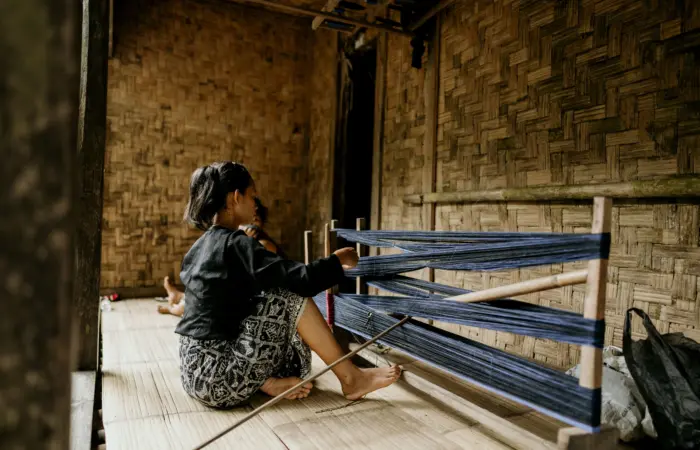
Hand-loomed ikat and other traditional weaving techniques are most strongly associated with East Nusa Tenggara, a region encompassing islands including Sumba, Flores, and Timor, each with distinct weaving styles, patterns, and natural dye traditions. Weaving here is typically taught within families, with techniques and specific patterns often carrying cultural and regional significance beyond their decorative value.
Hand-loomed textile traditions aren’t limited to East Nusa Tenggara, though — West and South Sumatra have their own long-established weaving communities, known for techniques like songket, which incorporates metallic thread into the weave, alongside other regional ikat styles. Bali, too, has a genuine hand-weaving tradition of its own, including endek and double-ikat geringsing cloth, produced by weaving communities on the island rather than simply imported from elsewhere. Altogether, this reflects just how widely distributed genuine hand-loom weaving skill is across the archipelago, with each region’s textiles carrying their own distinct patterns, dye techniques, and cultural meaning. It’s why a single supplier claiming to source everything from one location is worth questioning — genuine hand-loomed sourcing generally means relationships with several distinct weaving regions, not just one.
A Patchwork of Craft Traditions
What stands out across all of these regions is how distinct each tradition is from the next. Teak carving in Jepara, terracotta throwing in Central Java’s pottery villages, rattan weaving in Cirebon, and ikat dyeing in East Nusa Tenggara are not variations on a single “Indonesian craft” — they’re separate skills, built up over generations within their own communities, often using techniques and material knowledge that don’t transfer easily from one region to another. Indonesia’s scale as a country of thousands of islands and hundreds of distinct ethnic groups is really the story behind its handicraft output: the richness comes precisely from that regional specificity, rather than from any single unified style.
For buyers, this is worth holding onto as a genuinely appealing part of the story, not just a sourcing detail. Being able to tell a customer that a piece was hand-thrown in a Central Java pottery village, or woven from Kalimantan rattan by artisans in Cirebon, gives a product a specificity and depth that a generic “Indonesian handmade” label simply can’t.
What This Means for Sourcing Decisions
Knowing this regional geography helps buyers ask sharper questions during supplier vetting — for instance, checking that a supplier claiming to offer hand-loomed ikat can speak specifically to an East Nusa Tenggara weaving relationship, or that a rattan piece can be traced back to its actual Cirebon, Jepara, or Kalimantan origin, rather than accepting a generic “Indonesian handmade” claim at face value. Our buyer’s guide to Indonesian handicrafts and our comparison of bamboo, rattan, and seagrass build on this regional context with specific quality indicators to check for in each material category.
Bali Bhumi works directly with artisan groups across Java and East Nusa Tenggara, and can speak specifically to the regional origin of every product in our range.Get in touch to learn more, or browse the catalogue.