Bamboo vs Rattan vs Seagrass: A Buyer's Guide to Natural Materials
These three materials are often grouped together under “natural fibre home decor,” but they behave quite differently in production, durability, and price. Here’s how to tell them apart and decide which suits a given product category.
Quick Answer
Bamboo is a fast-growing grass, strong and rigid, well suited to structural pieces and tightly woven items like trays and lampshades.
Rattan is a climbing palm, prized for its flexibility, making it ideal for curved furniture frames and looser decorative weaving.
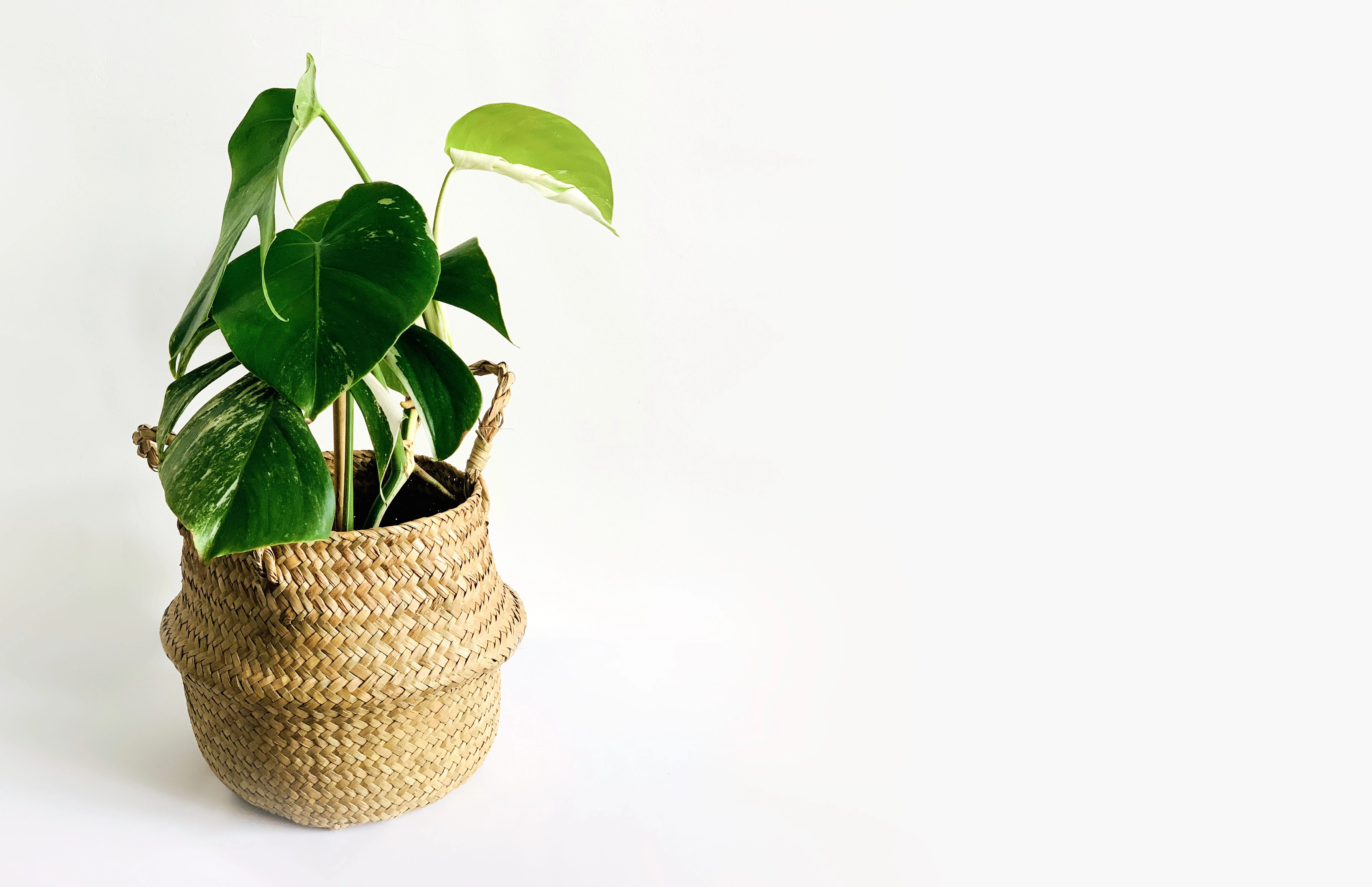
Seagrass is a soft, pliable aquatic plant fibre, typically used for baskets, rugs, and casual woven storage rather than structural pieces.
Pricing generally follows working complexity: rattan furniture framing tends to command a premium over bamboo or seagrass basketry, reflecting the skill required to bend and join it.
Bamboo: Fast-Growing and Structurally Strong
Bamboo is technically a grass, and one of the fastest-growing plants used in home decor production, which makes it an efficient renewable material. Its natural rigidity and strength make it well suited to items that need to hold their shape — trays, lampshades, structural basket frames, and decorative panels. Woven bamboo has a tighter, more uniform look than looser fibre weaves, giving it a slightly more refined, architectural appearance that suits both minimalist and warmer natural-material interiors. When evaluating bamboo pieces, look for even, tight weaving without gaps and a smooth, splinter-free finish.
Rattan: Flexible and Suited to Curved Forms
Rattan comes from climbing palms, and its defining characteristic is flexibility — it can be bent into curves and complex shapes without breaking, which is why it’s long been favoured for furniture frames as well as decorative weaving like baskets, trays, and light fixtures. This flexibility also means rattan work often requires more skill to execute well, particularly for furniture-grade framing, which is reflected in generally higher pricing compared with bamboo or seagrass basketry of similar size. For decorative pieces, rattan’s warmer, slightly more irregular weave gives a softer, more organic look than bamboo’s tighter uniformity.
Seagrass: Soft, Pliable, and Casual
Seagrass is an aquatic plant fibre, softer and less rigid than either bamboo or rattan, which makes it best suited to looser woven storage baskets, casual rugs, and softer decorative pieces rather than structural furniture or tightly architectural forms. It typically reads as more casual and relaxed than bamboo or rattan, which suits coastal or informal styling but is less commonly used where a more sculptural or refined look is the goal. Seagrass is generally more price-accessible than rattan, making it a useful category for retailers wanting a lower price-point entry into natural-fibre decor.
Comparing the Three at a Glance
Strength and rigidity: bamboo and rattan hold structural shape well; seagrass is softer and better suited to non-structural pieces.
Weave appearance: bamboo reads as tight and architectural; rattan as warm and slightly irregular; seagrass as soft and casual.
Typical use: bamboo for trays, lampshades, and structural baskets; rattan for furniture framing and decorative weaving; seagrass for storage baskets and casual textural pieces.
Relative pricing: rattan furniture-grade work generally commands the highest price for its category due to working complexity; bamboo and seagrass basketry are typically more price-accessible.
Choosing for Your Range
For a balanced natural-material range, it’s worth thinking about which category each material serves best rather than treating them as interchangeable. Bamboo suits buyers looking for a more refined, architectural natural-material look; rattan suits both furniture-adjacent decor and warmer decorative weaving; seagrass suits a more casual, accessible price point, particularly for storage-focused pieces. Combining categories — rather than committing entirely to one material — also helps balance a mixed-category MOQ order across different price points and aesthetics for your customers.
Sourcing Considerations
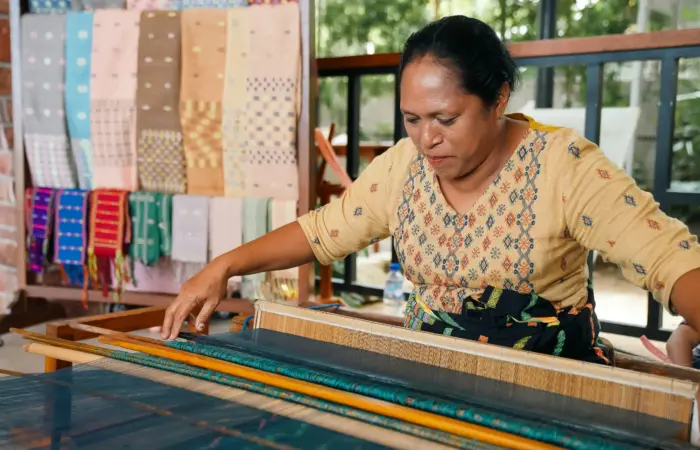
Bamboo and rattan weaving in Indonesia is concentrated in Java and parts of Bali, drawing on generations of weaving skill in those regions. Our natural materials sourcing guide covers where these materials actually originate, and our broader buyer’s guide to Indonesian handicrafts covers quality indicators to check for across categories.
Bali Bhumi sources bamboo direct from artisan weavers across Indonesia.Get in touch to discuss your range, or browse our bamboo catalogue.