Cushion covers are one of the easiest categories for customers to refresh a room with, and one of the easiest for wholesale buyers to test and rotate without heavy stock commitment. Here’s what’s performing well right now, and how to think about building a range.
Quick Answer
Warm, earthy colourways — cream, tan, sand, and coffee colour — are outperforming the cooler neutrals popular in previous seasons.
Hand-loomed ikat and other visibly textured weaves are in demand as customers seek out authentic craft over printed imitations.
Mixed-texture layering — pairing a woven cushion with a plainer linen-look piece — is how customers are actually buying, which has implications for range planning.
Standard sizing (45x45cm and similar) still dominates, but oversized and lumbar formats are a growing niche worth a small stock allocation.
Colour: Warm Tones Are Leading
Cushion covers are following the same broader shift toward warm, earthy neutrals seen across home decor generally — clay, ochre, sand, rust, and deep terracotta tones are outperforming the cooler greys and stark whites that dominated recent seasons. This plays well into a range that also includes terracotta and other warm-toned decor, since textiles in matching tonal families let retailers merchandise a cohesive room styling story rather than disconnected individual products.
Texture and Weave: Authenticity Is Selling
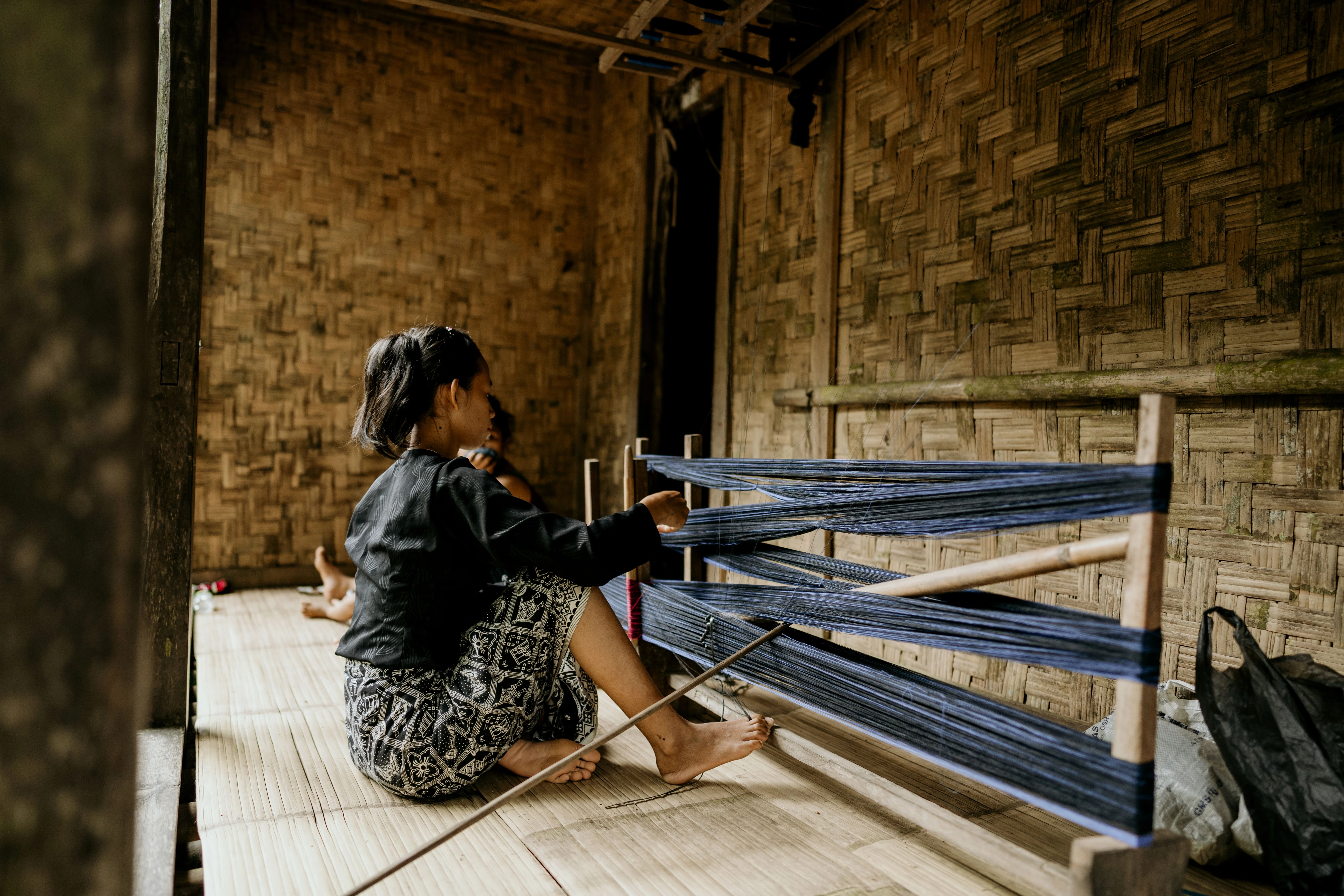
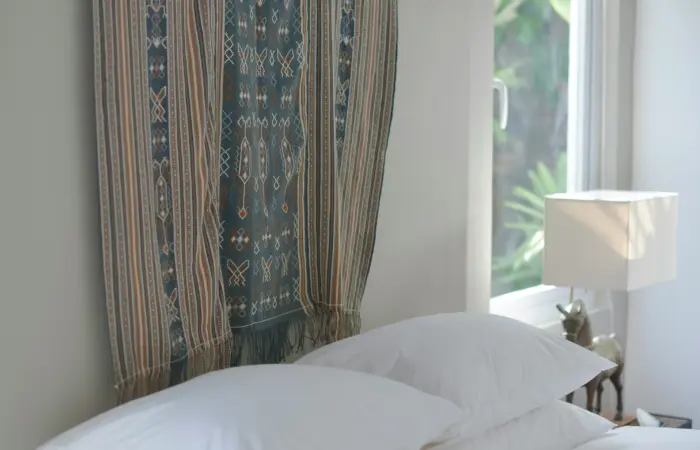
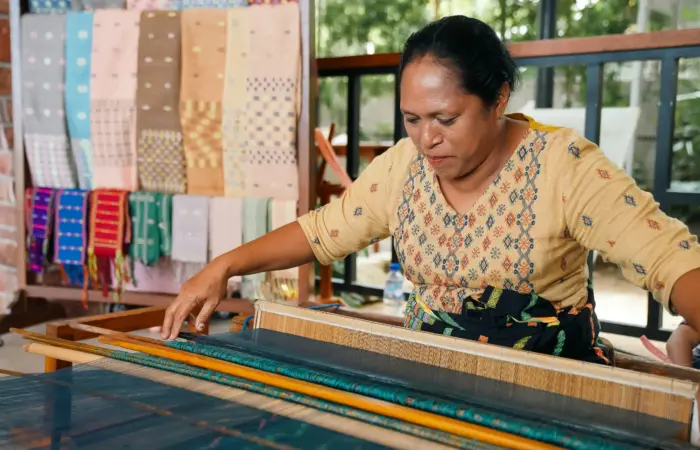
Customers are increasingly drawn to visibly textured, hand-loomed weaves over flat, printed patterns, reflecting the same demand for genuine craft discussed in our comparison of handwoven versus machine-made textiles. Ikat patterns, in particular, are performing well precisely because their slight, natural pattern irregularity reads as authentic rather than mass-produced. For buyers, this means it’s worth clearly distinguishing genuinely hand-loomed pieces in a range from any printed or machine-woven equivalents, both to justify pricing and to meet the specific demand for texture and craft that’s driving this trend.
How Customers Are Actually Buying: Layering, Not Matching
Rather than buying a single matching set, most customers are layering different textures and patterns together — a hand-loomed ikat cushion alongside a plain linen-look or bouclé-style piece, mixed rather than matched. This has a practical implication for wholesale buyers: a range built entirely of one pattern family, even in several colourways, is less useful to retail customers than a range that includes both statement woven pieces and simpler, complementary plain pieces designed to be mixed together. Structuring a mixed-category cushion order with this layering behaviour in mind tends to sell through better than a range weighted entirely toward one look.
Sizing and Format
Standard square formats — 45x45cm and similar — remain the dominant size for wholesale cushion cover orders, and this is where the bulk of stock allocation should sit. That said, oversized floor cushions and lumbar or bolster formats are a growing niche, particularly for buyers serving design-led or lifestyle retail customers looking for a more considered, layered look rather than a simple sofa refresh. A small allocation toward these formats — rather than a full category commitment — is a reasonable way to test demand without overcommitting budget to an unproven size format.
Building a Balanced Cushion Cover Range
A well-planned cushion cover order typically includes a core of hand-loomed ikat pieces in current warm colourways as the range’s statement pieces, complemented by simpler plain or textured pieces in matching or complementary tones for layering, and a small allocation to oversized or lumbar formats to test emerging demand. Since textile MOQs are generally set per category with mixed patterns and colourways counting toward the total, this kind of varied assortment fits naturally within a standard wholesale order structure without needing to negotiate a special exception.
Where This Fits Into Your Wider Range
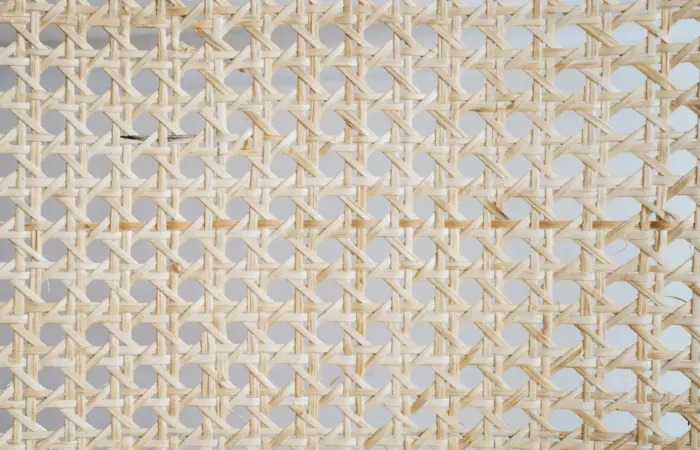
Cushion covers work well as part of a broader natural-material range alongside terracotta and woven bamboo or rattan accessories, since textiles are the easiest category for customers to refresh seasonally without a larger furniture commitment. Our broader look at 2026 home decor trends covers how this category fits into the wider seasonal picture.
Bali Bhumi sources genuinely hand-loomed cushion covers direct from weaving communities in Java, alongside complementary plain and textured pieces. Get in touch to discuss your range, or browse our textiles catalogue.