How to Create a Circular Economy at Home: Upcycling and Maintaining Natural Home Decor
The circular economy reimagines consumption by eliminating waste through continuous reuse, repair, and regeneration. Applying these principles at home—particularly with handcrafted Indonesian home accessories—transforms sustainable home design from theory into daily practice, creating systems where materials circulate indefinitely rather than flowing linearly from purchase to landfill.
Understanding the Circular Economy Principles
Linear economies follow “take-make-dispose” patterns devastating our planet. Raw materials become products briefly before becoming waste. Circular economies instead keep resources in use through careful design, maintenance, repair, and eventual biodegradation or recycling.
Natural home decor from Indonesian artisans embodies circular principles inherently — one of several reasons we cover in7 ways artisan pieces reduce your carbon footprint. Renewable bamboo and rattan grow continuously. Traditional crafting techniques prioritise durability and repairability. At lifecycle end, materials return safely to earth. Your role involves maximising use duration and ensuring proper end-of-life handling.
Proper Care Extends Product Lifecycles
Circular economy success depends on prolonging ownership. Regular maintenance of bamboo home accessories prevents premature deterioration, keeping pieces circulating within your home for decades rather than years — our fullnatural material care guide covers this in more depth.
Clean bamboo and rattan weekly with dry cloths, preventing dust accumulation that accelerates wear. Monthly deep cleaning using mild soap and water removes grime whilst preserving natural oils. Seasonal treatments with natural oils—linseed or tung oil—nourish materials, preventing drying and cracking that shortens lifecycles.
Store seasonal pieces properly when not in use. Breathable fabric bags protect handwoven textiles from dust whilst allowing air circulation. Avoid plastic storage that traps moisture, causing mildew on natural materials. This careful stewardship maximises the circular value already invested in artisan-made products.
Repair Rather Than Replace
Circular economies thrive on repair culture. Minor damage to sustainable home textiles or bamboo pieces need not mean disposal. Learn basic repair techniques or connect with localartisans skilled in natural material restoration.
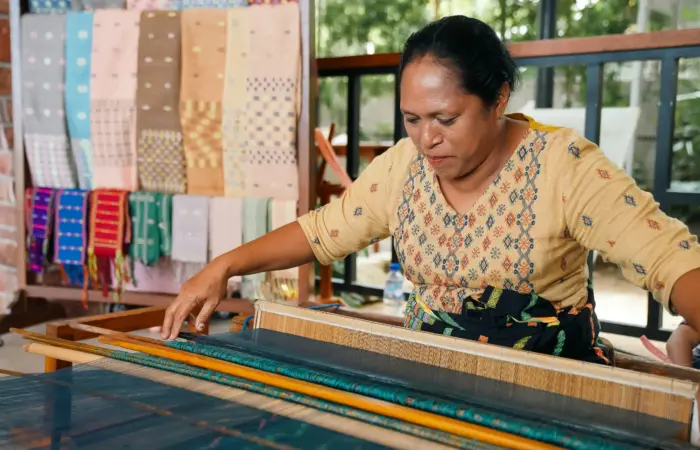
Small cracks in bamboo respond well to wood glue applied carefully and clamped during drying. Loose weaving on rattan pieces can be re-tightened using traditional binding techniques—tutorials abound online, or consult the brand where you purchased. Handwoven textiles with small tears mend beautifully using matching thread and basic sewing skills.
Some repairs require professional intervention. Seek craftspeople specialising in natural material restoration rather than discarding pieces. The cost of professional repair typically remains far less than replacement, both financially and environmentally.
Creative Upcycling for Changed Needs
Circular principles encourage adapting items to new purposes when original functions no longer serve. A bamboo bread basket might become a plant holder when dietary changes occur. Larger rattan storage evolves into magazine holders, toy bins, or bathroom organisation as household needs shift — the same flexible thinking behind goodzero-waste home organisation.
Handwoven textiles particularly lend themselves to upcycling. Cushion covers transform into framed textile art when fabrics remain beautiful but shapes no longer suit furniture. Table runners become wall hangings. Larger pieces can be carefully cut and re-hemmed into smaller items—placemats from runners, coasters from damaged larger textiles.
Document these transformations on social media, inspiring others whilst celebrating the versatility of quality eco-friendly home decoration. This visibility strengthens circular economy culture beyond individual households.
Sharing and Swapping Systems
Personal circular economies expand through sharing. Organise neighbourhood swaps where participants exchange home accessories they’ve tired of without purchasing new items. One person’s outdated bamboo tray becomes another’s perfect kitchen addition—extending product lifecycles whilst building community.
Consider tool libraries for specialised maintenance equipment. Rarely-used oil applicators, specific cleaning brushes, or repair tools can serve entire neighbourhoods through sharing systems, reducing overall consumption whilst ensuring everyone accesses what’s needed for proper natural home decor care.
Second-Hand Circulation
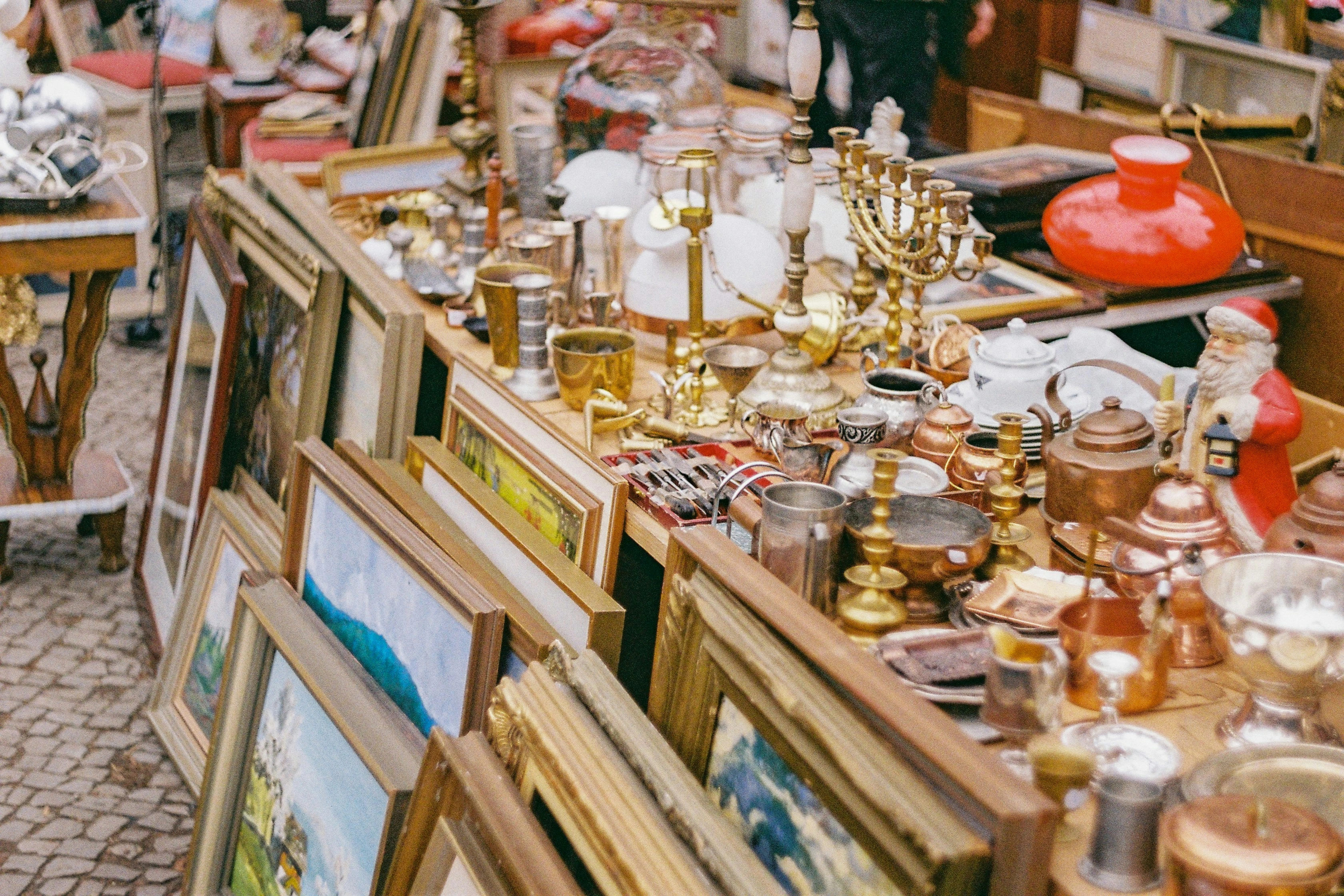
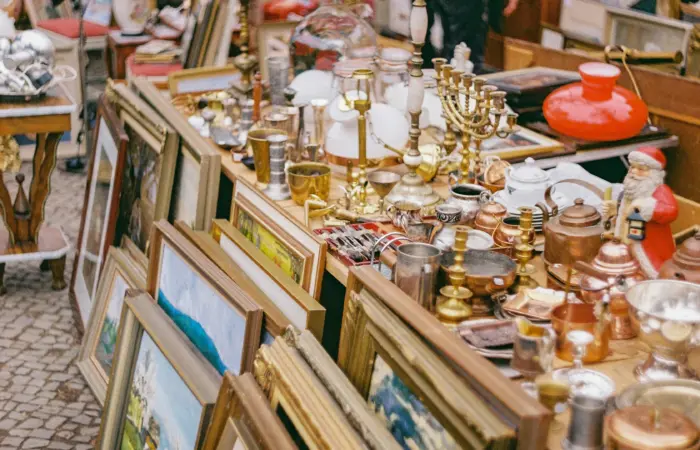
When pieces genuinely no longer serve your household, facilitate their continued circulation. Quality handcrafted Indonesian pieces retain value in second-hand markets — part of the samelong-term value proposition that makes them worth investing in to begin with. List items on sustainable marketplace platforms, vintage shops accepting natural materials, or donate to organisations supporting refugees or low-income families furnishing homes.
Price items fairly—enough to reflect quality and deter waste, but not so high that they won’t sell. Include care instructions with second-hand pieces, helping new owners maintain items properly and continue their circular journey.
Composting at End-of-Life
Eventually, even well-maintained natural materials reach true end-of-life. Unlike plastic requiring specialised recycling (often unavailable), bamboo and natural textiles compost easily — a lifecycle contrast we break down further in ourbamboo versus plastic comparison. Break bamboo pieces into smaller chunks to accelerate decomposition. Natural textiles shred easily, mixing well into compost piles.
This biodegradation returns nutrients to soil, supporting new plant growth—potentially including bamboo forests where future artisan-made products originate. This complete circle—from plant to product to compost to plant—represents circular economy ideals realized.
Conscious Acquisition Supports Circularity
Circular economies require thoughtful purchasing. Before acquiring new sustainable home accessories, consider:
Do I already own something serving this function?
Will this piece serve multiple purposes over many years?
Can I maintain and repair this item?
What’s the end-of-life plan for this material?
Indonesian artisan pieces answer these questions positively—durable, repairable, multipurpose, and biodegradable. However, even sustainable items contribute to waste if purchased impulsively then discarded quickly, which is exactly the trapfast furniture sets for consumers.
Teaching Circular Principles
Share circular economy practices with family, particularly children. Involve them in maintenance rituals—oiling bamboo together, mending textiles, repurposing pieces creatively. These experiences build values that extend far beyond home decor into lifelong consumption patterns.
Document your circular journey through photography or journaling. Note purchase dates, repairs performed, purposes served over time. This tangible record demonstrates how conscious consumption and careful stewardship create genuine sustainability.
Supporting Circular Design
Choose brands designing explicitly for circular economies—companies likeBali Bhumi creating durable, repairable, biodegradable products whilst supporting artisan livelihoods that depend on circular principles. Vote with purchases for economic systems prioritising regeneration over extraction.
Request repair services, spare parts availability, and take-back programmes from brands you support. Consumer demand drives these offerings, making circular infrastructure increasingly accessible.
The Ripple Effect
Individual circular practices create broader impacts. Your maintained, repaired, upcycled bamboo home decor demonstrates alternatives to disposable culture. Guests notice beautiful, well-cared-for pieces and inquire about sources and practices. These conversations spread circular economy concepts organically, creating cultural shifts toward sustainability.
Every repair chosen over replacement, every upcycled transformation, every properly composted piece strengthens circular systems whilst weakening linear waste economies. Your home becomes a laboratory proving circular living’s viability and appeal.
circular economy home, upcycling home decor, natural material maintenance, sustainable home design, bamboo care, repair culture, eco-friendly home decoration, zero-waste living, handcrafted home accessories, conscious consumption, biodegradable products, artisan-made durability